Hyperlocal Prospecting: Finding Your Next 10 Clients Within 5 Miles
In the vast landscape of business development, it's easy to get caught up in the allure of distant markets and grand expansion plans. Yet, for many small businesses, the most fertile ground for growth lies not across the country, but right around the corner. Focusing on your immediate vicinity – say, a five-mile radius from your office – offers a unique advantage for business to business prospecting. This hyperlocal approach isn't just about convenience; it's about building a strong community presence, fostering trust, and streamlining your client acquisition efforts.
This article will guide you through a systematic approach to identifying nearby businesses, pinpointing key decision-makers, and executing outreach that feels more like a friendly introduction than a cold sale.
The Undeniable Power of Proximity
Why should a small business prioritize local prospecting? The benefits are manifold:
- Reduced Overhead: Less travel time and expense means more efficient use of resources.
- Enhanced Trust and Credibility: Being a local entity often garners more trust. You're part of the same community, facing similar local challenges and opportunities.
- Easier Follow-Up: Proximity makes it simpler to arrange face-to-face meetings, drop off materials, or even just wave hello, reinforcing your presence.
- Community Building: Engaging with local businesses strengthens the entire economic ecosystem, creating opportunities for referrals and partnerships.
- Faster Sales Cycles: Local connections can often lead to quicker decision-making processes, as familiarity can accelerate trust.
Step 1: Mapping Your Local Business Landscape
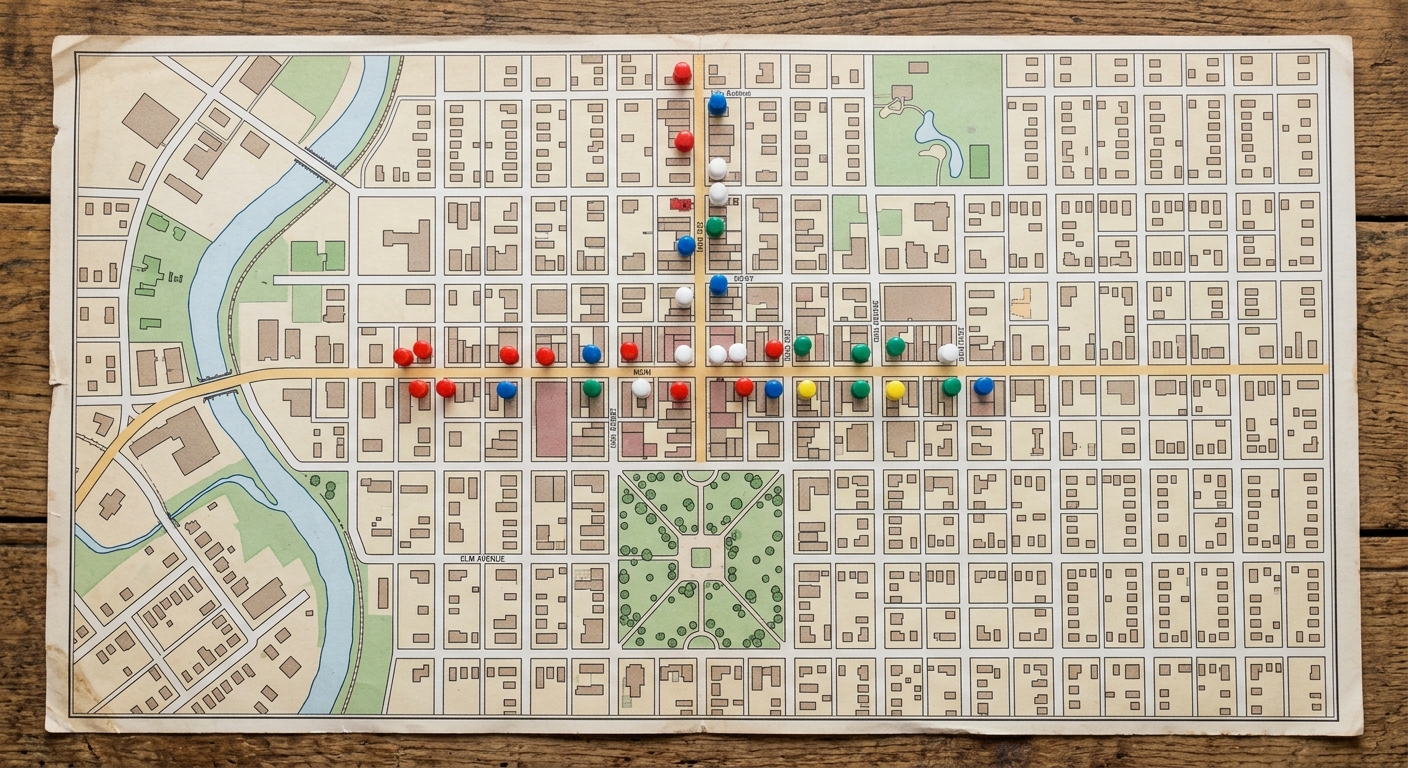
Before you can engage, you need to know who's out there. Think of this as creating a living, breathing map of your potential client base.
Tools and Resources:
- Google Maps & Google My Business: The simplest starting point. Search for businesses in your area by category (e.g., "accountants near me," "marketing agencies [your town]"). Look for their Google My Business profiles, which often provide hours, websites, and reviews.
- Local Business Directories: Many towns and cities have online or print directories. These can be goldmines for discovering businesses you might not find through a general search.
- Chamber of Commerce: A local Chamber of Commerce is an invaluable resource. They often have member directories, host networking events, and can provide insights into the local business community.
- Local Events and Associations: Attend local fairs, farmers' markets, business expos, or join local industry associations. These are excellent places to meet business owners in a relaxed setting.
- Drive-By Reconnaissance: Don't underestimate the power of simply driving or walking your target radius. You'll spot businesses that might not have a strong online presence.
Categorizing Your Prospects:
As you identify businesses, don't just list them. Categorize them based on:
- Industry: Do they align with your ideal client profile?
- Size: Are they a sole proprietorship, a small team, or a larger operation?
- Obvious Needs: Based on their website or your observation, do they appear to have a clear need for your services? For example, an outdated website, a busy storefront that might need scheduling software, or a business expanding that might need help with a particular service.
Create a simple spreadsheet or CRM entry for each, noting their business type, address, and initial observations.
Step 2: Identifying the Decision-Makers
Once you have a list of potential businesses, the next challenge is to identify who you need to speak with. Reaching the right person is crucial for effective outreach.
Research Strategies:
- Company Websites: Many small business websites list their team members, often with titles. Look for owners, managers, or department heads relevant to your service.
- LinkedIn: A powerful tool for B2B prospecting. Search for the company and then browse their employees. You can often filter by title.
- Direct Inquiry (Tactfully): Sometimes, a polite phone call to the main line can get you the information you need. "Could you please tell me who handles [specific area related to your service]?" is often more effective than "Can I speak to the owner?"
- Local Networking: If you meet someone from a target company at an event, that's your chance to ask about the relevant contact person.
Focus on understanding their role and how your service might genuinely benefit their specific responsibilities or challenges.
Step 3: Crafting Friction-Free Outreach
This is where many businesses falter, resorting to generic, impersonal messages. Your goal is to initiate a conversation, not to launch into a hard sell. The "friction-free" aspect means making it easy for them to engage and understand your value.
Personalization is Paramount:
- Reference Specifics: "I noticed your new storefront on Main Street and was impressed by [something specific]..." or "I saw your company mentioned in the local paper for [achievement]..."
- Highlight Local Connection: "As a fellow local business just a few miles away, I appreciate the vibrancy you bring to our community."
- Focus on Their Needs: Instead of talking about your product, talk about a common pain point you've observed or an opportunity relevant to their business.
Multi-Channel Approach (Thoughtfully):
- Email: Keep it concise, personalized, and value-driven. The subject line should be compelling and indicate a local connection if possible.
- Phone Call: If you have a direct number, a brief, respectful call can be effective. Be prepared with your value proposition and a clear ask (e.g., "Would you be open to a quick 10-minute chat next week?").
- In-Person (Brief & Respectful): If you're driving by, a quick pop-in can work, if done correctly. This is not for selling on the spot. It's for introducing yourself, leaving a business card, and perhaps asking for the best way to follow up. "I'm [Your Name] from [Your Business] just down the road. I wanted to briefly introduce myself and say hello. What's the best way to reach you if I had a quick question about [something relevant]?"
- LinkedIn Message: If you've connected with the decision-maker, a direct message can be professional and effective.
Remember, the goal is to start a dialogue, not close a deal on the first touch. Offer a small piece of value – a relevant insight, a local statistic, or an offer for a brief, no-obligation consultation.
Step 4: Nurturing Relationships and Sustaining Growth
Finding your first 10 local clients is just the beginning. The true power of hyperlocal prospecting lies in building lasting relationships.
- Deliver Exceptional Service: Your reputation in a small community spreads quickly. Excellent service will lead to referrals.
- Stay Engaged Locally: Continue attending local events, support other local businesses, and be an active member of the community.
- Seek Referrals: Once you have happy local clients, don't hesitate to ask for introductions to other businesses they know.
- Monitor Your Financial Health: As new clients come in, it's crucial to keep a close eye on your revenue and expenses. Strong business to business prospecting efforts should translate into improved cash flow. Understanding your financial inflows and outflows is vital for sustainable growth. For practical advice on managing your company's finances, consider exploring articles like Keeping Your Business Afloat: Simple Weekly Cash Flow Habits or Mastering Your Money Flow: Simple Weekly Habits for Small Business Cash Flow. These resources can provide valuable insights into maintaining healthy cash flow as your client base expands.
Conclusion
Finding your next 10 commercial clients within a five-mile radius is an achievable and highly rewarding goal for any small business. By systematically mapping your local landscape, diligently identifying decision-makers, and crafting personalized, friction-free outreach, you can unlock a powerful new avenue for growth. This isn't just about making sales; it's about embedding your business deeper into the fabric of your local community, building lasting relationships, and ensuring a steady stream of opportunities right on your doorstep. Start exploring your neighborhood today – your next great client might be just around the corner.